
In June 2026, a wave of headlines put a topic back under the spotlight that the fitness world has quietly known about for years: social media is now the single biggest recruiting ground for anabolic steroids, SARMs and peptides — and most of the people being recruited are under 25. If you train, compete, or already run cycles, this matters to you. The same platforms feeding teenagers “tell your parents they’re vitamins” content are also the ones flooding your feed with counterfeit gear, fantasy dosing advice, and influencers paid on commission to sell you something. This article breaks down what is actually happening, what the verified data says, and how to think about sourcing like an adult instead of a mark.
The numbers that started the 2026 conversation
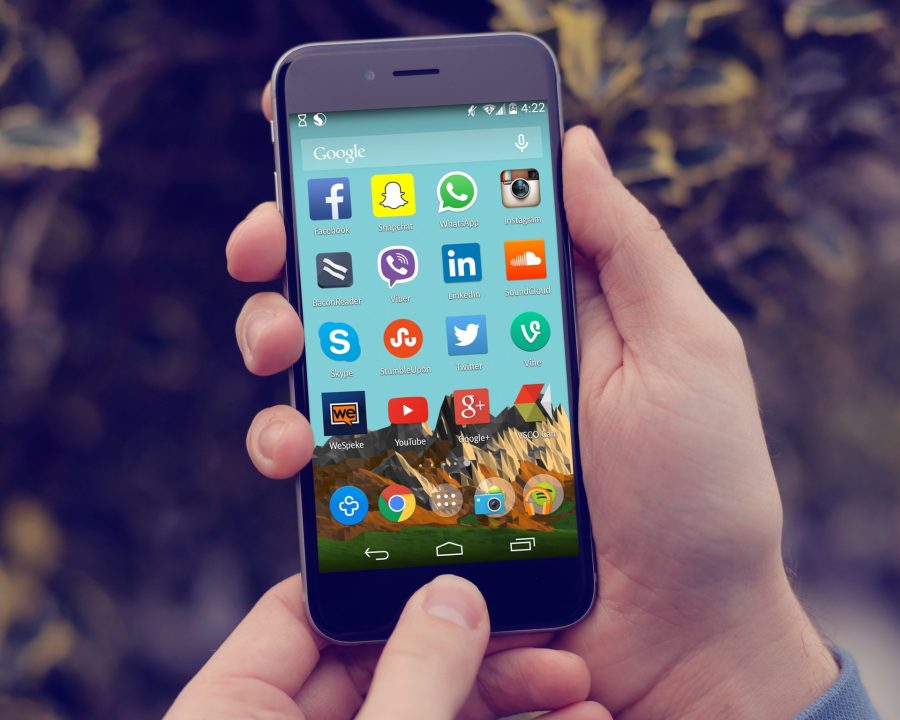
The data everyone is quoting in 2026 actually comes from a landmark investigation by the Center for Countering Digital Hate (CCDH) called “TikTok’s Toxic Trade,” first published in September 2023. It resurfaced this year as new reporting from CBS News and the American Council on Science and Health revisited the problem. The original findings are still the most concrete picture we have:
- 587 million total US views on content promoting steroids and related drugs over a three-year window.
- 420 million of those views came from users aged 18–24 — roughly 13 views for every single young adult in that bracket.
- 13 websites selling these substances were tracked; the influencers funnelling traffic to them held 1.8 million combined followers.
- Affiliate commissions of up to 30% were offered to creators for driving sales.
- Content aimed at minors included lines like “just tell your parents they’re vitamins” and “risk it,” shown alongside large quantities of product.
TikTok disputed the report’s methodology. But anyone who has spent ten minutes in fitness content knows the pipeline is real: a transformation clip, a “what I’m running” video, a discount code in the bio, a Telegram handle in the comments.
The dealer used to be a guy at your gym. In 2026, the dealer is an algorithm that already knows you skipped leg day.
“Looksmaxxing” and how it became a gateway
The cultural engine behind a lot of this is looksmaxxing — a movement that started in online incel and “blackpill” forums and went mainstream through creators like Braden Peters (known as Clavicular), whose videos have pulled millions of views. Looksmaxxing covers everything from skincare, sleep and training (“softmaxxing”) to the harder end: SARMs, peptides, hair-loss drugs and cosmetic surgery (“hardmaxxing”).
The problem isn’t the idea of self-improvement. It’s that the funnel collapses the distance between “use better moisturiser” and “inject an unregulated research chemical you bought from a TikTok bio” into a single scrolling session — with none of the context an experienced user would demand.
AAS vs SARMs vs peptides: what’s actually being sold
A lot of the danger comes from young users not understanding that “PEDs” is not one category. These are pharmacologically very different tools with very different risk profiles. If you’re going to engage with any of them, understand the distinctions first.
| Category | What it is | Marketed claim | Reality check |
|---|---|---|---|
| Anabolic steroids (AAS) | Synthetic derivatives of testosterone | Mass, strength, recovery | Well-characterised but require real knowledge of dosing, esters, blood work and PCT |
| SARMs | Selective androgen receptor modulators | “Steroid results without the sides” | Not side-effect-free; linked to liver injury, strokes and testosterone suppression. Frequently counterfeit. |
| Peptides | Short amino-acid chains (e.g. growth-hormone secretagogues, melanotan) | Fat loss, tanning, “glow-up” | Largely unapproved and unregulated; dermatologists have flagged risks including skin and neurological effects |
The marketing trick that ties them together is the “research chemical / not for human consumption” label. It’s a legal dodge that lets sellers display shredded physiques while pretending they’re selling lab reagents. Independent testing repeatedly finds these products are counterfeit, mislabelled, or contain entirely different compounds than the label claims.
The UK picture: this is not a niche anymore
The UK is one of the clearest case studies because it has actual survey data:
- A 2025 survey of UK male gym-goers by Oxford Online Pharmacy found 61% had used or would consider anabolic steroids — and 42% would proceed even knowing the risk of permanent hair loss. Usage intent peaked in the 25–34 age group at around 75%.
- A widely cited Delphi-method estimate puts recent AAS use among UK men aged 15–64 at between 328,000 and 687,000, with a central estimate near 447,000.
- UK Anti-Doping has warned that a large share of 16–25-year-olds have bought SARMs after seeing them advertised online — products often sold “not for human consumption.”
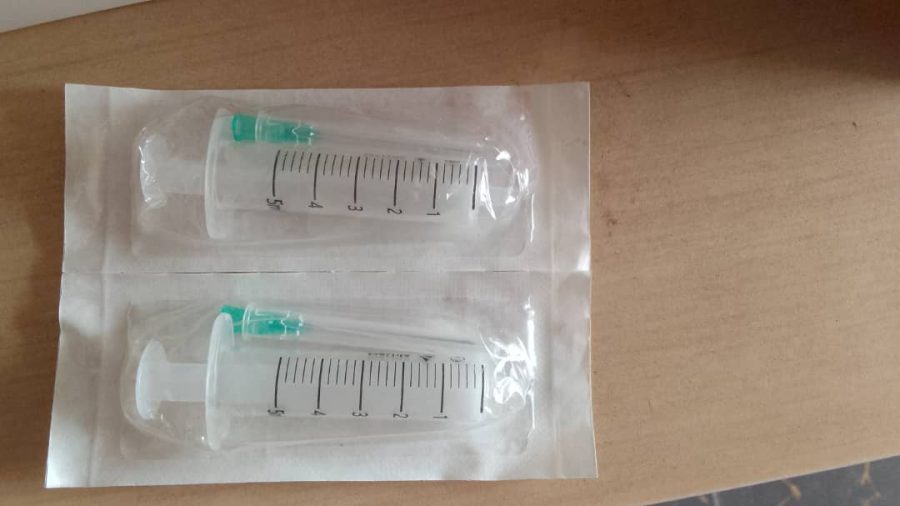
- AAS users now make up the largest group accessing many UK Needle and Syringe Programmes — they have overtaken traditional drug-injecting populations in some services.
The takeaway: this is no longer a competitive-bodybuilding subculture. It’s mainstream behaviour among ordinary young men, driven by feeds that reward extreme physiques and never show the bloodwork.
Why the TikTok pipeline is genuinely dangerous — even for experienced users
If you already use, you might think none of this applies to you. It does — because the same supply chain that targets 19-year-olds is the one selling to everyone. The specific risks:
- Counterfeit and underdosed product. Influencer “discount code” sellers have every incentive to cut product. You cannot dose accurately what you can’t trust.
- Fantasy protocols. Algorithmic content rewards extremes, not safety. “More is better” gets views; conservative, blood-work-led protocols don’t.
- No PCT or ancillary literacy. Teenagers are being sold suppressive compounds with zero understanding of recovery, estrogen control, or the difference between a real aromatizable steroid and a non-aromatizing one.
- Permanent consequences sold as cosmetic ones. Suppressed natural testosterone, gynecomastia, and fertility issues are real outcomes — and some young users end up needing genuine testosterone replacement therapy for life.
If you’re going to use anyway: source like an adult
We’re not going to pretend prohibition messaging works — it demonstrably doesn’t. The harm-reduction reality is that where and how you source determines most of your risk. A few principles that separate informed users from algorithm victims:
- Know exactly what compound you’re taking — the actual molecule, ester, and concentration. Not a brand name from a transformation video.
- Get blood work before, during and after. Lipids, haematocrit, liver markers, testosterone and estradiol. Numbers, not vibes.
- Plan recovery before you start. Understand suppression and how compounds like those used by women differ in their virilisation and recovery profiles.
- Buy from a consistent, traceable source — not a rotating cast of TikTok bios and Telegram handles that vanish after they’ve cut a batch.
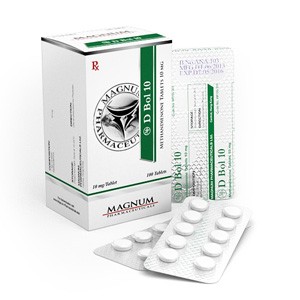
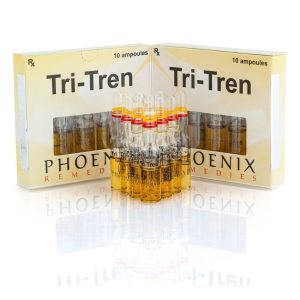
That last point is the whole game. A reputable catalogue with consistent labelling and known dosing is the difference between a managed risk and a coin flip. If you want to compare properly dosed, clearly labelled compounds instead of guessing what’s in an influencer’s “research chemical,” start here:
Advice if you’re younger — or you’re a parent
The single highest-risk group is teenagers, whose endocrine systems are still developing and who are the explicit targets of the worst content. Honest points worth making:
- Using AAS or SARMs before your natural hormonal system matures can cause lasting damage — including stunted growth and long-term suppression.
- Most of the “natural-but-on” physiques you envy are not natural, and the people showing them are paid to omit that.
- There is enormous progress available drug-free in the first few years of serious training. Nobody on TikTok makes money telling you that.
Frequently asked questions
Are SARMs safer than steroids?
Not in the way they’re marketed. SARMs still suppress natural testosterone and have been linked to liver injury and cardiovascular events. On top of the pharmacological risk, the products sold online are frequently counterfeit — so you often don’t even know what you’re taking.
Why is so much of this content allowed to stay up?
Platforms officially ban the promotion and sale of these substances, but enforcement lags badly behind volume. Sellers use coded language, “research chemical” framing, and off-platform handoffs (Telegram, private sites) to stay one step ahead of moderation.
Is the 587 million views figure from 2026?
The figure comes from the CCDH’s 2023 “TikTok’s Toxic Trade” report. It returned to the headlines in 2026 because of fresh reporting on the looksmaxxing trend and renewed warnings from anti-doping bodies — the problem hasn’t gone away, it’s grown.
The bottom line
Social media didn’t invent steroid use, but it has industrialised the recruitment and removed every safety rail that used to come with it. The old model at least had a human being who’d used the stuff. The new model is a commission-driven algorithm optimised to sell you a mislabelled vial. Whether you never touch this stuff or you’re a seasoned user, the defence is the same: verified information, real blood work, and a traceable source — not a discount code in a bio.
Related reading
- Anavar for Women in 2026: Dosage, Results and Virilisation Risk
- Inside the 2026 World Cup: Conditioning, Recovery and the PED Question
- Ozempic and Steroids: How UK Bodybuilders Are Using GLP-1 Drugs
Educational information only. Anabolic steroids, SARMs and peptides carry serious health and legal risks and may be controlled substances in your country. Always consult a qualified medical professional.