Weight loss is not the same as fat loss – the difference is what you do with training and protein.
Training Science · Trending
Ozempic, Wegovy, Mounjaro: How Lifters Can Protect Muscle on GLP-1 Drugs
GLP-1 medications are the biggest story in health right now – and the fitness world has a very specific question about them: when the scale drops fast, how much of that is muscle, and how do you keep your hard-earned gains?
Drugs like semaglutide (Ozempic, Wegovy) and tirzepatide (Mounjaro, Zepbound) have moved from diabetes clinics into mainstream culture. In its 2026 Worldwide Fitness Trends report, the American College of Sports Medicine flagged the impact of these obesity medications as a defining shift – one that, as NASM notes, elevates the role of strength training and muscle preservation rather than calorie-burn-centric dieting.
For anyone who treats the gym as a lifestyle, this is the headline that matters. Here is what the research actually says – and a practical, no-nonsense plan to lose fat without sacrificing the muscle you worked years to build.
The core problem: weight loss is not the same as fat loss
Any time you lose weight in a calorie deficit – through diet, drugs, or both – a portion of that loss comes from lean mass, not just fat. With rapid appetite-suppressing medications, two things stack up: people eat dramatically less, and they often eat too little protein to defend muscle.
Clinical reviews suggest that during GLP-1-driven weight loss, lean mass can account for roughly 25-40% of total weight lost when no resistance training or protein strategy is in place. That is the same trap crash dieters have always faced – now accelerated. The good news: the fix is firmly in your control.
Illustrative figures for education, based on published clinical reviews of GLP-1 weight loss. Individual results vary.
Why muscle is worth defending
Muscle is not just aesthetic. It is metabolically active tissue tied to insulin sensitivity, bone density, strength, and – increasingly – long-term health. Lose a chunk of it during a rapid cut and you can end up “skinny-fat,” with a lower resting metabolic rate that makes weight regain easier once the medication stops. For a physique-focused athlete, protecting lean mass is the entire game.
The four-part muscle-preservation playbook
1. Lift heavy, and keep lifting
Resistance training is the single strongest signal telling your body to hold on to muscle in a deficit. Aim for at least 2-4 full-body or split sessions per week, prioritising compound movements (squat, hinge, press, row, pull). You do not need to chase new personal records while dieting – the goal is to maintain training load and intensity so the muscle has a reason to stay.
2. Defend protein intake hard
Appetite suppression makes this the hardest part. With far less hunger, protein is the first thing people skip – yet it is the most important macro to protect. A common evidence-based target is roughly 1.6-2.2 g of protein per kg of body weight per day, spread across meals. When appetite is low, protein-dense, easy-to-eat options (Greek yogurt, eggs, lean meat, protein shakes) help you hit the number without feeling stuffed.
3. Don’t lose weight faster than you have to
Slower, steadier loss generally preserves more lean mass than crash drops. If your weight is falling extremely fast, that is worth discussing with your prescriber – dose and rate of loss can often be adjusted.
4. Mind micronutrients, hydration, and fibre
Eating much less food means fewer total nutrients. Whole-food choices, adequate fibre, and hydration support training quality, recovery, and digestion – all of which keep you consistent in the gym.
The one-line takeaway: On a GLP-1 drug, your training plan and protein intake decide whether the mirror shows a leaner, stronger you – or a smaller, softer version of you. Lift, eat enough protein, and don’t rush the scale.
The bigger picture: the rise of “muscle-centric” thinking
This conversation is part of a broader 2026 shift toward valuing muscle as an organ of longevity – championed by voices like Dr. Gabrielle Lyon and Dr. Peter Attia. GLP-1 drugs simply made the stakes impossible to ignore: when you can lose weight effortlessly, how you lose it becomes the whole story. Lifters have known this for decades. Now mainstream medicine is catching up.
Important: This article is educational and is not medical advice. GLP-1 medications are prescription drugs that should only be used under the supervision of a licensed healthcare professional. Always consult your doctor before starting, stopping, or changing any medication or before making major changes to your diet or training.
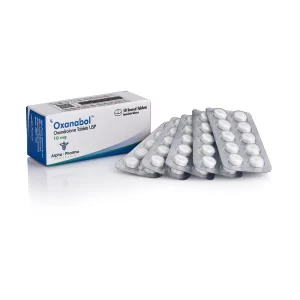
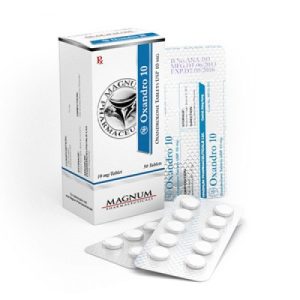
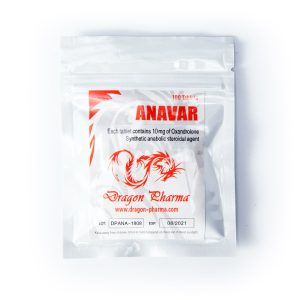
Anavar (oxandrolone) has a reputation as “the girl steroid” — the one compound female athletes can supposedly run without turning into a man. That reputation is half-true, and the half that isn’t true is exactly where women get hurt. This is an honest, fact-checked guide to what Anavar actually does in a female body, realistic dosing, the virilisation risk nobody should sugar-coat, and how to run it sensibly if you decide to. It’s written for the women who are going to use it regardless of being told not to — because informed use beats guesswork every time.
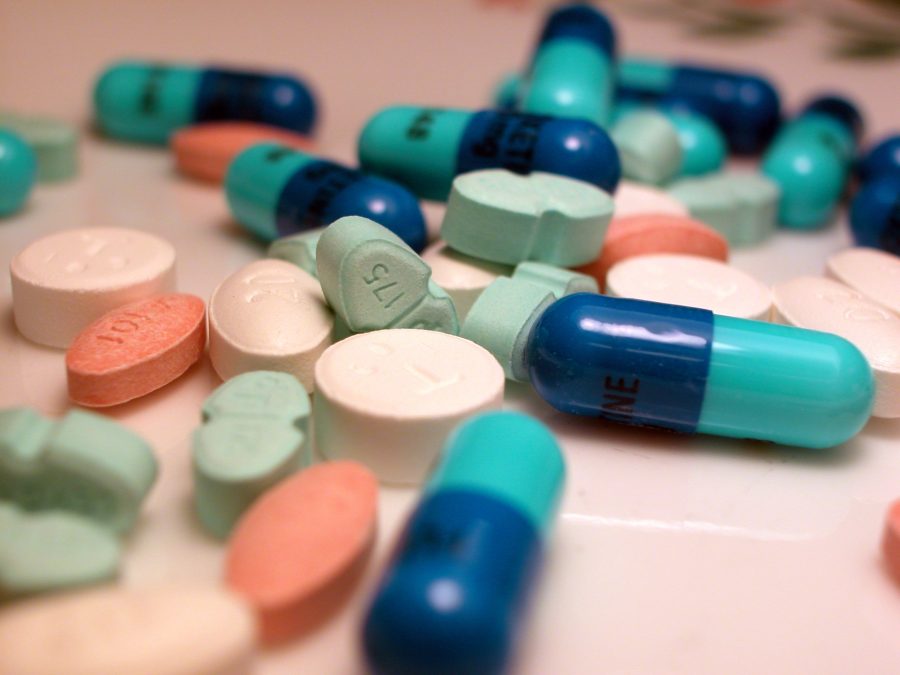
Anavar is the most commonly used anabolic among women because of its favourable anabolic-to-androgenic ratio (Wikimedia Commons, CC BY 2.0)
What Anavar actually is
Oxandrolone is a synthetic anabolic-androgenic steroid, first described in 1962 and introduced for medical use in 1964. Chemically it’s a 17α-alkylated derivative of DHT, which makes it orally active — you take it as a tablet rather than an injection. Medically it has been used to promote weight regain after trauma, surgery or infection, to treat osteoporosis, in burns recovery, in Turner syndrome, and as part of HIV/AIDS-related muscle-wasting therapy. It was valued precisely because it was mild enough to use in women and children.
The properties that matter to a female user:
Property
Detail
Why it matters for women
Anabolic : androgenic ratio
Up to ~6× the anabolic potency of testosterone, with only ~5% of its relative androgenic activity
More muscle-building effect per unit of masculinising effect — the basis of its “mild” reputation
Route
Oral (17α-alkylated)
No injecting; convenient, but means liver exposure
Elimination half-life
~9.4–10.4 hours in adults
Short — often split into two daily doses for stable levels
Aromatisation
Does not aromatise to estrogen
No estrogenic bloat; unlike aromatizable steroids, it won’t cause water retention or gyno
Why women choose Anavar over everything else
Among the limited list of compounds women use, Anavar is the default first choice for concrete reasons:
Lower virilisation risk per result than most alternatives, thanks to that anabolic-dominant ratio.
Lean, dry gains — no estrogenic water retention, so the look is hardness and definition rather than size.
Strength and recovery improvements that are noticeable at low doses.
Oral convenience — no needles, no injection sites.
Short half-life — if sides appear, it clears relatively quickly once you stop.
For broader context on how women’s options differ from men’s, see our overview of steroids for women.
Realistic expectations
Anavar is mild by steroid standards, and that cuts both ways. Honest expectations for a female user at sensible doses: a few pounds of lean tissue, visibly improved muscle hardness and vascularity, better gym strength and faster recovery, and easier fat loss while preserving muscle in a cut. What it is not: a dramatic mass-builder, a substitute for training and diet, or a “consequence-free” drug. Anyone promising you a radical transformation from Anavar alone is selling something.
Counterfeit and underdosed oxandrolone is common — verifying your source matters (Wikimedia Commons, CC BY-SA 3.0)
Dosing for women: start low, stay low
Because women are far more sensitive to androgens than men, the effective female dose is a fraction of a male dose. The widely used range is 5–20 mg per day, and the smart approach is to start at the bottom of it:
Beginners: 5 mg/day. Many women never need more than this to see results.
Intermediate: 10 mg/day after assessing tolerance over a first cycle.
Advanced / experienced only: up to 15–20 mg/day — with sharply rising virilisation risk.
Cycle length: typically 4–6 weeks, rarely beyond 8. Shorter is safer.
Timing: given the ~9–10 hour half-life, doses of 10 mg+ are often split morning and evening for steadier levels.
The cardinal rule: the goal is the lowest dose that produces a result, not the highest dose you can tolerate. There are no bonus points for pushing it.
Virilisation: the risk you must not ignore
This is the part that matters most. Even with a mild compound, women can experience virilisation — the development of masculine characteristics. Documented effects include:
Deepening of the voice
Hirsutism (increased facial and body hair)
Menstrual irregularities
Male-pattern hair loss
Clitoral enlargement
Acne and oilier skin
Here’s the critical fact: some of these changes can be permanent — particularly voice deepening and clitoral enlargement — even after you stop the drug. Concurrent estrogen does not prevent them. This is why the standard medical guidance is to discontinue at the first sign of mild virilisation, when changes are still reversible. A deepening voice or persistent new body hair is your cue to stop, not to “push through.”
The first sign of virilisation is a stop signal, not a side quest. Reversible today can mean permanent next week.
Other side effects worth knowing
Cholesterol shifts. Anavar can suppress HDL (“good”) and raise LDL (“bad”) cholesterol. Cardio and a heart-healthy diet matter on cycle.
Liver exposure. As a 17α-alkylated oral, it passes through the liver; keep cycles short, avoid alcohol, and don’t stack it with other hepatotoxic orals.
Natural hormone suppression. It can suppress your own testosterone and disrupt the menstrual cycle. This usually recovers after a short, sensible cycle — but it’s a reason to keep cycles brief.
Bloodwork and monitoring
Treat blood work as non-negotiable, not optional. A sensible minimum: a baseline panel before you start, a mid-cycle check, and a post-cycle panel. Track a lipid panel (HDL/LDL), liver enzymes (ALT/AST), and a hormone panel. Numbers turn “I feel fine” into actual evidence — and catch problems before you feel them.
After the cycle
Women do not run the same post-cycle therapy as men — drugs like Nolvadex or hCG used in male PCT are generally not appropriate for a standard female Anavar cycle. For most women, recovery is about a clean break: stop the compound, let the menstrual cycle and natural hormones normalise, support recovery with good sleep and nutrition, and confirm with post-cycle bloods. If your cycle doesn’t return or bloods stay abnormal, that’s a doctor conversation, not a forum one.
Sourcing: oxandrolone is one of the most faked compounds
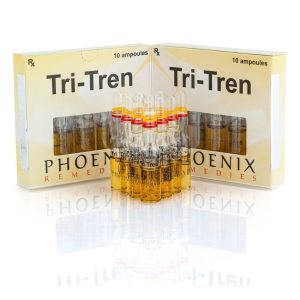
Because it’s expensive to produce and in high demand, Anavar is one of the most commonly counterfeited or underdosed steroids on the market — frequently substituted with cheaper compounds like winstrol or dianabol, which carry far higher virilisation risk for women. That bait-and-switch is exactly how women who “did everything right” still end up with permanent sides. As we covered in our piece on how social media sells steroids and SARMs, a random influencer discount code is the worst possible source. Verified, consistently dosed product is the single biggest safety variable you control:
No. Because it doesn’t aromatise and is used at low doses, the typical result is lean, hard, defined muscle rather than size. “Bulk” comes from heavy eating and high-androgen compounds, not low-dose Anavar.
Is Anavar safe for women?
“Safer than the alternatives” is more accurate than “safe.” It carries the lowest virilisation risk of the common anabolics, but the risk is not zero, and some virilising effects can be permanent. Low doses, short cycles, blood work, and stopping at the first sign of sides are what keep it on the manageable side.
Can I drink alcohol on an Anavar cycle?
It’s best avoided. Anavar is processed by the liver, and adding alcohol increases the hepatic load. If you’re going to run an oral, give your liver the easiest possible job.
How do I know if my Anavar is real?
You can’t tell by looking. The practical safeguards are buying from a consistent, reputable source, starting at a low dose to gauge the real-world effect, and ideally using a testing service. If 5 mg “does nothing,” that’s often a sign of underdosed or fake product — not a reason to megadose.
The bottom line
Anavar earns its reputation as the most female-friendly anabolic — but “most friendly” is a relative term in a category with real, sometimes permanent consequences. The women who use it well treat it with respect: low dose, short cycle, real blood work, a verified source, and the discipline to stop the moment virilisation whispers. Used that way, it’s a manageable tool. Used the way TikTok teaches — guesswork dose, mystery source, push through the sides — it’s how permanent regret happens. For the wider context, read our guides on steroids for women and how social media is selling PEDs in 2026.
Educational information only. Oxandrolone is a controlled substance in many countries and carries real health risks. Nothing here is medical advice — consult a qualified healthcare professional before using any anabolic agent.
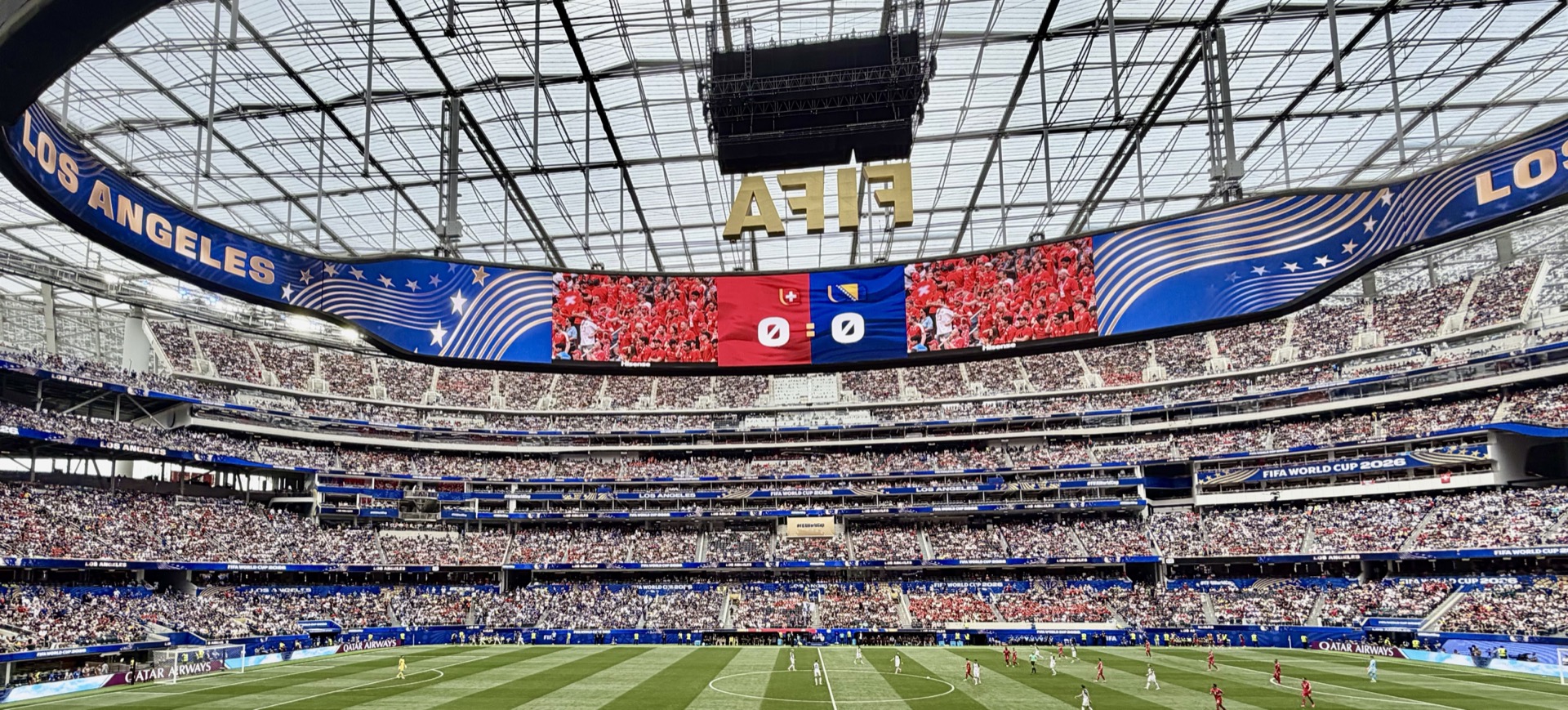
The 2026 FIFA World Cup is in full swing across the United States, Canada and Mexico — and it is, by some distance, the most physically demanding tournament in the competition’s history. More teams, more matches, more travel, brutal summer heat and high-altitude venues have turned this World Cup into an endurance test as much as a football one. For anyone interested in human performance — including those who train hard and pay attention to recovery pharmacology — the conditioning story behind this tournament is genuinely fascinating. Here’s the science of what these players’ bodies are going through, and where the performance-enhancement question inevitably enters.
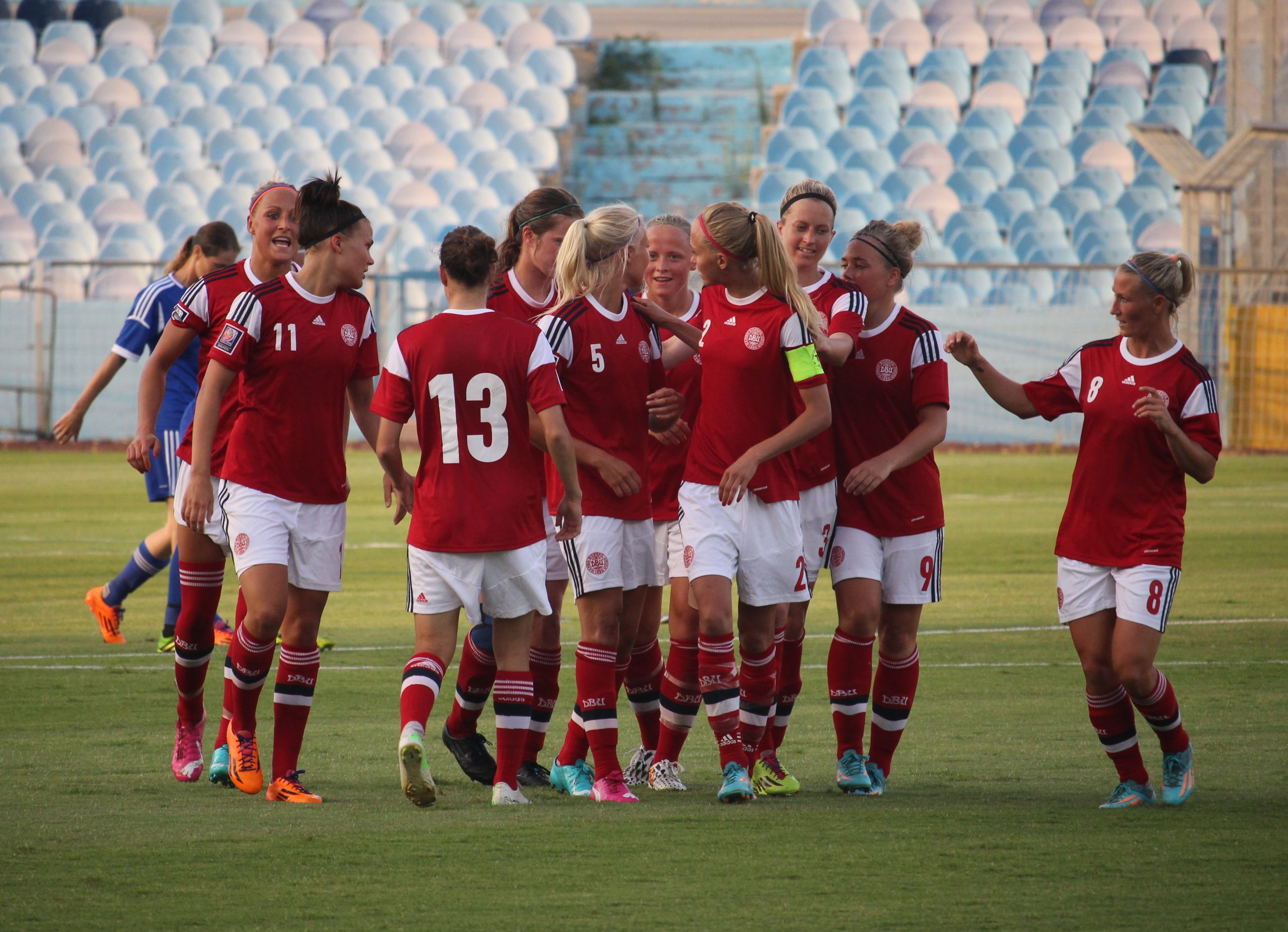
The 2026 World Cup runs 39 days across 16 cities and three countries (Wikimedia Commons, CC0)
The format that changed the physical equation
This is the first World Cup hosted by three nations and the first to feature 48 teams, up from 32. The structural facts are worth stating plainly because they drive everything that follows:
48 teams in 12 groups of four, with the top two and the eight best third-placed teams advancing to a new round of 32.
104 matches in total — up from 64 at previous tournaments.
39 days of competition (11 June to 19 July 2026), longer than the 32-day tournaments of 2014 and 2018.
16 host cities — 11 in the USA, 3 in Mexico, 2 in Canada — opening at the Estadio Azteca in Mexico City and finishing at MetLife Stadium in the New York–New Jersey area.
For a team that goes deep, that means more matches, separated by short recovery windows, played across enormous distances and wildly different climates. It is the single biggest recovery challenge international football has ever set.
Heat and altitude: the two silent opponents
Two environmental factors make 2026 uniquely punishing:
Altitude. Mexico City’s Estadio Azteca sits at roughly 2,240 metres above sea level, where oxygen availability is meaningfully lower than at sea level. Aerobic performance drops, and recovery between high-intensity efforts gets harder.
Heat and humidity. Many US venues face extreme summer conditions, which is exactly why hydration breaks have become a talking point of this tournament. Core-temperature management is now a tactical variable, not an afterthought.
The combination forces sports-science teams to push recovery to its limits — and it’s precisely in that gap, between what the body can naturally recover from and what the schedule demands, that the temptation toward pharmacological help has always lived.
Congested fixtures and long-haul travel make recovery the hidden battleground of 2026 (Wikimedia Commons, CC BY-SA 3.0)
How elite teams legally manage recovery
Before anyone reaches for banned substances, modern national teams deploy a serious toolkit. This is the legitimate side of performance — and a lot of it is directly applicable to anyone training hard:
Sleep engineering — controlled light exposure, travel-timed naps, and chronobiology to fight jet lag across time zones.
Nutrition periodisation — carbohydrate timing around matches, targeted protein for repair, and aggressive rehydration protocols.
Cold-water immersion and compression to manage inflammation and perceived soreness.
Load monitoring via GPS and heart-rate data to decide who plays, who rests, and who rotates.
At a 48-team World Cup, the team that recovers fastest — not necessarily the most talented — often lifts the trophy.
Where performance-enhancing drugs enter the picture
Football has always insisted it is “cleaner” than cycling or athletics, but the history says otherwise — and the physical demands of 2026 raise the stakes. The compounds historically most relevant to football aren’t the mass-builders bodybuilders chase; they’re recovery and endurance agents. We covered the full picture in our deep dive on steroids and the 2026 FIFA World Cup, but the short version:
Low-dose anabolics for faster muscle repair between matches, not for size.
EPO and blood manipulation to offset the aerobic cost of heat and altitude.
Peptides and growth factors aimed at soft-tissue and injury recovery on tight return-to-play deadlines.
To be clear about the facts: as of the group stage, no major doping scandal has emerged at the 2026 tournament. The controversies making headlines so far have been disciplinary and political — red-card disputes, fixture and officiating rows, and off-pitch legal stories — not failed drug tests. But retrospective testing of stored samples means the doping verdict on any World Cup is never final on the day the final whistle blows.
The testing regime at 2026
FIFA, in partnership with WADA, is running its most extensive anti-doping programme yet: expanded biological-passport tracking, heavy out-of-competition testing in the build-up, advanced mass spectrometry capable of detecting steroid traces weeks after use, and improved growth-hormone isoform testing. Stored samples can be re-analysed for up to a decade as detection methods improve — which is the real deterrent.
What recreational lifters can actually take from this
You’re not playing seven matches in a month, but the underlying principle transfers: recovery is the ceiling on performance. Whether you’re natural or enhanced, the same hierarchy applies — sleep, nutrition and load management first; everything else is a small percentage on top. Those who do run compounds tend to get the best risk-adjusted results from recovery- and conditioning-oriented protocols rather than maximal mass cycles. If you want to compare conditioning-focused options, browse the range here:
Has any player failed a drug test at the 2026 World Cup?
No major positive test has been reported during the tournament as of the group stage. The headline controversies of 2026 have been disciplinary and political rather than doping-related. Because samples are stored and re-tested for years, however, the historical record of any tournament can change later.
Why is altitude such a big deal at this World Cup?
Playing at the Estadio Azteca’s ~2,240 m elevation reduces oxygen availability, which lowers aerobic capacity and slows recovery between sprints. Teams acclimatise in advance, but the effect is real and measurable — and it’s one reason endurance-boosting methods have historically tempted athletes.
Do footballers use the same steroids as bodybuilders?
Generally no. Footballers who dope tend toward low doses of recovery- and endurance-oriented compounds, not the high-dose mass-building stacks associated with bodybuilding. The goals — speed, repeatability and recovery — are different. We break this down in detail in our World Cup doping guide.
The bottom line
The 2026 World Cup is a recovery experiment dressed up as a football tournament. Heat, altitude, a congested 104-match schedule and continental travel are pushing elite athletes to the edge of what the human body can repair in time for the next whistle. Most of that gap is being closed with legitimate sports science — but the same pressure that makes recovery the deciding factor is exactly what keeps the doping question permanently attached to elite football. For the deeper dive on the substances, detection and history, read our companion piece on steroids and the 2026 FIFA World Cup.
Educational information only. This article does not allege doping by any specific player or team. Anabolic steroids and related substances carry serious health and legal risks — always consult a qualified medical professional.
In June 2026, a wave of headlines put a topic back under the spotlight that the fitness world has quietly known about for years: social media is now the single biggest recruiting ground for anabolic steroids, SARMs and peptides — and most of the people being recruited are under 25. If you train, compete, or already run cycles, this matters to you. The same platforms feeding teenagers “tell your parents they’re vitamins” content are also the ones flooding your feed with counterfeit gear, fantasy dosing advice, and influencers paid on commission to sell you something. This article breaks down what is actually happening, what the verified data says, and how to think about sourcing like an adult instead of a mark.
Social media has become the primary discovery channel for performance-enhancing drugs (Wikimedia Commons, CC BY 2.0)
The numbers that started the 2026 conversation
The data everyone is quoting in 2026 actually comes from a landmark investigation by the Center for Countering Digital Hate (CCDH) called “TikTok’s Toxic Trade,” first published in September 2023. It resurfaced this year as new reporting from CBS News and the American Council on Science and Health revisited the problem. The original findings are still the most concrete picture we have:
587 million total US views on content promoting steroids and related drugs over a three-year window.
420 million of those views came from users aged 18–24 — roughly 13 views for every single young adult in that bracket.
13 websites selling these substances were tracked; the influencers funnelling traffic to them held 1.8 million combined followers.
Affiliate commissions of up to 30% were offered to creators for driving sales.
Content aimed at minors included lines like “just tell your parents they’re vitamins” and “risk it,” shown alongside large quantities of product.
TikTok disputed the report’s methodology. But anyone who has spent ten minutes in fitness content knows the pipeline is real: a transformation clip, a “what I’m running” video, a discount code in the bio, a Telegram handle in the comments.
The dealer used to be a guy at your gym. In 2026, the dealer is an algorithm that already knows you skipped leg day.
“Looksmaxxing” and how it became a gateway
The cultural engine behind a lot of this is looksmaxxing — a movement that started in online incel and “blackpill” forums and went mainstream through creators like Braden Peters (known as Clavicular), whose videos have pulled millions of views. Looksmaxxing covers everything from skincare, sleep and training (“softmaxxing”) to the harder end: SARMs, peptides, hair-loss drugs and cosmetic surgery (“hardmaxxing”).
The problem isn’t the idea of self-improvement. It’s that the funnel collapses the distance between “use better moisturiser” and “inject an unregulated research chemical you bought from a TikTok bio” into a single scrolling session — with none of the context an experienced user would demand.
AAS vs SARMs vs peptides: what’s actually being sold
A lot of the danger comes from young users not understanding that “PEDs” is not one category. These are pharmacologically very different tools with very different risk profiles. If you’re going to engage with any of them, understand the distinctions first.
Category
What it is
Marketed claim
Reality check
Anabolic steroids (AAS)
Synthetic derivatives of testosterone
Mass, strength, recovery
Well-characterised but require real knowledge of dosing, esters, blood work and PCT
SARMs
Selective androgen receptor modulators
“Steroid results without the sides”
Not side-effect-free; linked to liver injury, strokes and testosterone suppression. Frequently counterfeit.
Peptides
Short amino-acid chains (e.g. growth-hormone secretagogues, melanotan)
Fat loss, tanning, “glow-up”
Largely unapproved and unregulated; dermatologists have flagged risks including skin and neurological effects
The marketing trick that ties them together is the “research chemical / not for human consumption” label. It’s a legal dodge that lets sellers display shredded physiques while pretending they’re selling lab reagents. Independent testing repeatedly finds these products are counterfeit, mislabelled, or contain entirely different compounds than the label claims.
Gym culture and physique pressure are now amplified 24/7 by social feeds (Wikimedia Commons, CC BY-SA 4.0)
The UK picture: this is not a niche anymore
The UK is one of the clearest case studies because it has actual survey data:
A 2025 survey of UK male gym-goers by Oxford Online Pharmacy found 61% had used or would consider anabolic steroids — and 42% would proceed even knowing the risk of permanent hair loss. Usage intent peaked in the 25–34 age group at around 75%.
A widely cited Delphi-method estimate puts recent AAS use among UK men aged 15–64 at between 328,000 and 687,000, with a central estimate near 447,000.
UK Anti-Doping has warned that a large share of 16–25-year-olds have bought SARMs after seeing them advertised online — products often sold “not for human consumption.”
AAS users now make up the largest group accessing many UK Needle and Syringe Programmes — they have overtaken traditional drug-injecting populations in some services.
The takeaway: this is no longer a competitive-bodybuilding subculture. It’s mainstream behaviour among ordinary young men, driven by feeds that reward extreme physiques and never show the bloodwork.
Why the TikTok pipeline is genuinely dangerous — even for experienced users
If you already use, you might think none of this applies to you. It does — because the same supply chain that targets 19-year-olds is the one selling to everyone. The specific risks:
Counterfeit and underdosed product. Influencer “discount code” sellers have every incentive to cut product. You cannot dose accurately what you can’t trust.
Fantasy protocols. Algorithmic content rewards extremes, not safety. “More is better” gets views; conservative, blood-work-led protocols don’t.
No PCT or ancillary literacy. Teenagers are being sold suppressive compounds with zero understanding of recovery, estrogen control, or the difference between a real aromatizable steroid and a non-aromatizing one.
Permanent consequences sold as cosmetic ones. Suppressed natural testosterone, gynecomastia, and fertility issues are real outcomes — and some young users end up needing genuine testosterone replacement therapy for life.
SARMs and peptides bought from social-media sellers are frequently mislabelled or counterfeit (Wikimedia Commons, CC0)
If you’re going to use anyway: source like an adult
We’re not going to pretend prohibition messaging works — it demonstrably doesn’t. The harm-reduction reality is that where and how you source determines most of your risk. A few principles that separate informed users from algorithm victims:
Know exactly what compound you’re taking — the actual molecule, ester, and concentration. Not a brand name from a transformation video.
Get blood work before, during and after. Lipids, haematocrit, liver markers, testosterone and estradiol. Numbers, not vibes.
Plan recovery before you start. Understand suppression and how compounds like those used by women differ in their virilisation and recovery profiles.
Buy from a consistent, traceable source — not a rotating cast of TikTok bios and Telegram handles that vanish after they’ve cut a batch.
That last point is the whole game. A reputable catalogue with consistent labelling and known dosing is the difference between a managed risk and a coin flip. If you want to compare properly dosed, clearly labelled compounds instead of guessing what’s in an influencer’s “research chemical,” start here:
The single highest-risk group is teenagers, whose endocrine systems are still developing and who are the explicit targets of the worst content. Honest points worth making:
Using AAS or SARMs before your natural hormonal system matures can cause lasting damage — including stunted growth and long-term suppression.
Most of the “natural-but-on” physiques you envy are not natural, and the people showing them are paid to omit that.
There is enormous progress available drug-free in the first few years of serious training. Nobody on TikTok makes money telling you that.
Frequently asked questions
Are SARMs safer than steroids?
Not in the way they’re marketed. SARMs still suppress natural testosterone and have been linked to liver injury and cardiovascular events. On top of the pharmacological risk, the products sold online are frequently counterfeit — so you often don’t even know what you’re taking.
Why is so much of this content allowed to stay up?
Platforms officially ban the promotion and sale of these substances, but enforcement lags badly behind volume. Sellers use coded language, “research chemical” framing, and off-platform handoffs (Telegram, private sites) to stay one step ahead of moderation.
Is the 587 million views figure from 2026?
The figure comes from the CCDH’s 2023 “TikTok’s Toxic Trade” report. It returned to the headlines in 2026 because of fresh reporting on the looksmaxxing trend and renewed warnings from anti-doping bodies — the problem hasn’t gone away, it’s grown.
The bottom line
Social media didn’t invent steroid use, but it has industrialised the recruitment and removed every safety rail that used to come with it. The old model at least had a human being who’d used the stuff. The new model is a commission-driven algorithm optimised to sell you a mislabelled vial. Whether you never touch this stuff or you’re a seasoned user, the defence is the same: verified information, real blood work, and a traceable source — not a discount code in a bio.
Educational information only. Anabolic steroids, SARMs and peptides carry serious health and legal risks and may be controlled substances in your country. Always consult a qualified medical professional.
The 2026 FIFA World Cup — hosted across the United States, Canada, and Mexico — is the biggest sporting event of the decade. With 48 nations competing and billions watching worldwide, the pressure on elite footballers to perform has never been higher. But behind the scenes, a shadow looms over the beautiful game: performance-enhancing drugs, including anabolic steroids.
This article breaks down the real relationship between steroids, doping, and professional football — and what the 2026 World Cup means for anti-doping enforcement globally.
FIFA World Cup 2026 Draw Reception (Wikimedia Commons, CC BY-SA 4.0)
Doping in Football: A History Nobody Talks About
Football has long enjoyed a reputation as a “clean” sport compared to athletics or cycling. But that image is largely a myth. Doping in professional football dates back decades, and multiple high-profile cases have exposed the widespread use of performance-enhancing substances at the highest levels of the game.
Some notable doping incidents in football history include:
Diego Maradona (1994 World Cup) — Tested positive for ephedrine and was banned from the tournament.
Juventus doping scandal (1998–2004) — A French judge concluded that players were systematically given banned substances, including EPO and growth hormone.
Spanish football investigations (2006–2016) — The “Operación Puerto” scandal touched football, with blood doping suspected in multiple clubs.
Colombian players (2010–2018) — Multiple positive tests for stanozolol, a popular anabolic steroid, among South American players.
These cases reveal an uncomfortable truth: anabolic steroids and other performance enhancers have a place in football’s dirty laundry — even if they’re rarely discussed as openly as in track and field or bodybuilding.
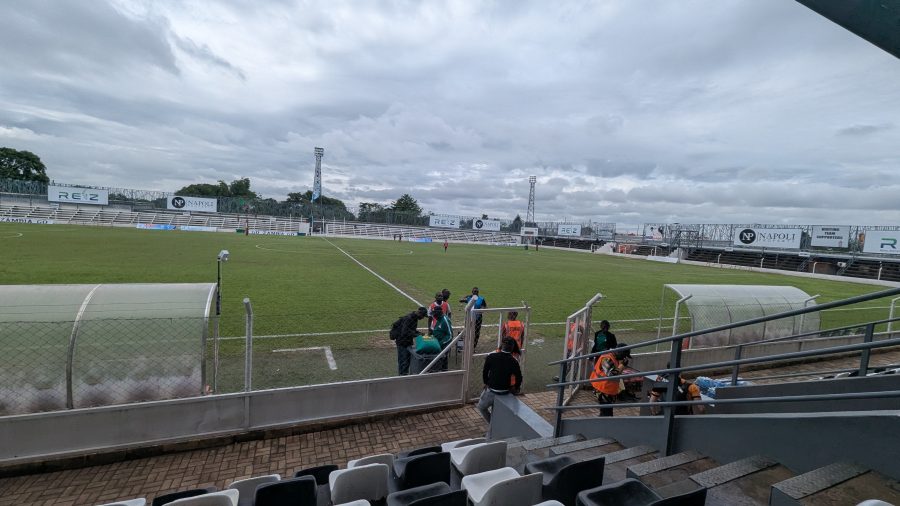
Professional football match (Wikimedia Commons, CC BY-SA 4.0)
Why Would Footballers Use Anabolic Steroids?
Many people assume steroids are only for bodybuilders or sprinters. In reality, anabolic steroids offer benefits that are directly relevant to football performance:
Faster recovery — Elite footballers play 50–70 matches per season. Steroids accelerate muscle repair after intense training and matches.
Increased muscle mass and strength — Modern football demands physicality. Stronger players win duels, hold off defenders, and dominate set pieces.
Improved endurance — Certain compounds, particularly those with mild androgenic effects, can boost red blood cell production and oxygen delivery.
Injury rehabilitation — Anabolic steroids speed up recovery from muscle tears, ligament damage, and bone injuries — critical for players with tight return-to-play deadlines.
At a World Cup, where knockout elimination can end a nation’s campaign after 90 minutes, the temptation to use every available edge is enormous.
FIFA’s Anti-Doping Measures at the 2026 World Cup
For the 2026 World Cup, FIFA has significantly upgraded its anti-doping programme in partnership with WADA (World Anti-Doping Agency). Key measures include:
Expanded blood passport programme — Longitudinal tracking of biological markers to detect micro-dosing and sophisticated doping methods.
Increased out-of-competition testing — Players can be tested anytime, anywhere in the months leading up to the tournament.
Advanced mass spectrometry — Modern testing can detect traces of anabolic steroids like nandrolone, stanozolol, and testosterone esters weeks after administration.
GH (Growth Hormone) isoform testing — Detection windows for synthetic HGH have improved significantly since the 2022 Qatar World Cup.
Whereabouts reporting — All registered players must submit hourly location data for at least one hour per day to enable surprise testing.
Despite these measures, experts acknowledge that detection always lags behind innovation. The underground pharmaceutical market continues to develop new designer steroids and masking agents specifically to evade current WADA testing protocols.
The Most Common Steroids in Football Doping Cases
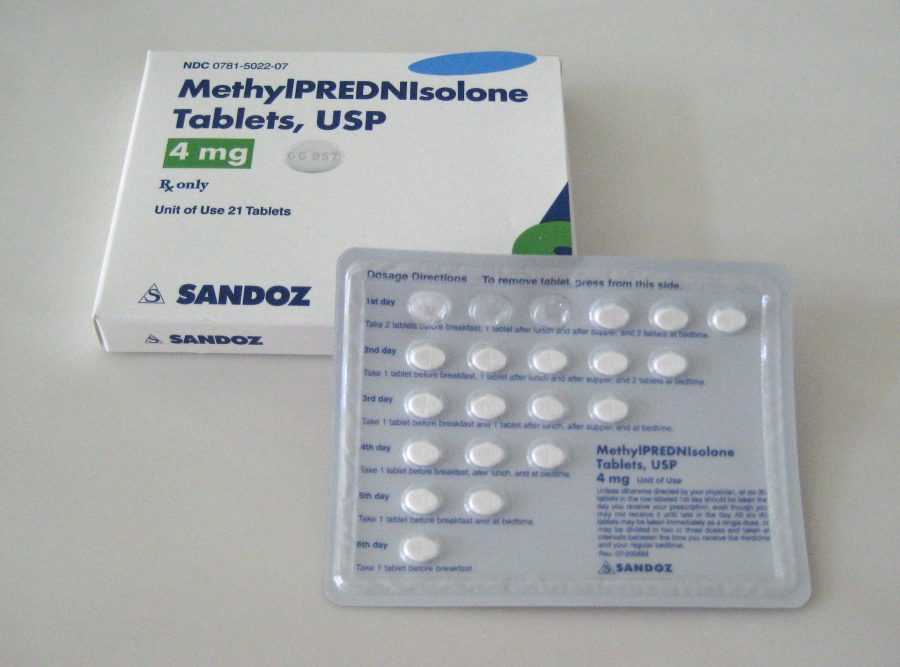
Pharmaceutical corticosteroid tablets (Wikimedia Commons, CC BY-SA 4.0)
1. Stanozolol (Winstrol)
Stanozolol is one of the most commonly detected anabolic steroids in sport. It promotes lean muscle mass, improves strength-to-weight ratio, and doesn’t cause significant water retention — ideal for athletes who need to maintain weight while boosting power output. Its detection window in urine can extend to several weeks, which is why athletes who use it recklessly get caught.
2. Nandrolone (Deca-Durabolin)
Nandrolone has been detected in numerous football players over the years, sometimes controversially — as it can be produced endogenously under certain conditions. However, deliberate use is well-documented. Nandrolone promotes significant muscle growth, joint lubrication, and recovery — making it attractive to players coming back from serious injuries.
3. Testosterone Propionate
Short-acting testosterone esters like propionate are harder to detect because they clear the system quickly. Players may use them during pre-season or rehabilitation phases, timing use to avoid testing windows. Testosterone remains the foundation of performance enhancement in every sport.
4. EPO (Erythropoietin)
While not a steroid, EPO is increasingly relevant to football. The expanded pitches, high-altitude venues, and brutal match schedules of a 48-team World Cup place aerobic demands on players that EPO directly addresses. Blood doping and EPO use have both been linked to elite football in several investigations.
The 2026 World Cup Venue Factor: High Altitude and Heat
The 2026 World Cup venues span dramatically different climates and altitudes. Mexico City’s Estadio Azteca sits at 2,240 metres above sea level — where oxygen availability is roughly 25% lower than at sea level. Kansas City, Dallas, and other US venues experience extreme summer heat and humidity.
These environmental factors create additional pressure on player recovery and endurance. Athletes competing at altitude or in heat stress need significantly longer recovery windows — making the temptation to use erythropoiesis-stimulating agents or recovery-enhancing steroids even greater.
Historical data shows that doping violations in international football increase slightly in high-altitude and heat-stress tournaments — likely due to the greater physiological demands placed on athletes’ bodies.
Bodybuilders vs. Footballers: Different Steroid Protocols
It’s worth noting that how a professional footballer might use anabolic steroids is fundamentally different from a bodybuilder’s approach:
Factor
Bodybuilder
Footballer
Goal
Maximum muscle mass, aesthetics
Speed, power, recovery
Dosage
High (500–2000mg/week)
Low-moderate (100–300mg/week)
Compounds
Multiple stacked compounds
Single mild compounds, peptides
Duration
Months-long cycles
Short pulses, off-season only
Testing risk
None (unless competitive)
High — WADA whereabouts system
Primary benefit sought
Size and definition
Recovery speed, power output
This explains why steroid use in football often goes undetected — protocols are designed to minimise detectability rather than maximise results.
Will the 2026 World Cup Produce Doping Scandals?
Given the scale of the 2026 World Cup — 48 teams, 104 matches, $2 billion+ prize money — the incentives for doping have never been higher. FIFA’s anti-doping protocols are stronger than ever, but the cat-and-mouse game between testers and dopers continues.
Several factors suggest positive tests are likely:
Expanded testing pool means more athletes subjected to stricter scrutiny
Out-of-competition testing in the build-up to the tournament is at record levels
Several national federations from South America, Africa, and Eastern Europe have historically lower anti-doping infrastructure
The biological passport programme is now sophisticated enough to catch patterns invisible to single-point urine tests
Whether those scandals emerge during the tournament or in the months following — via retrospective testing of stored samples — remains to be seen. One thing is certain: the 2026 World Cup will be the most anti-doping-tested football tournament in history.
FAQs: Steroids and the FIFA World Cup 2026
Are anabolic steroids banned in football?
Yes. All anabolic androgenic steroids are prohibited under the WADA Prohibited List, which FIFA adopts for all of its competitions including the World Cup. Possession, use, and trafficking of these substances can result in bans of up to four years for a first offence.
What happens if a player tests positive at the World Cup?
The player is provisionally suspended pending analysis of the B-sample. If confirmed positive, FIFA’s Disciplinary Committee handles the case. The player faces a ban, and results achieved during the period of use may be disqualified — potentially affecting team standings.
Have any World Cup winners been linked to doping?
Several investigations and retrospective analyses have raised questions about certain World Cup-winning squads, though formal positive tests at the tournament level have been relatively rare. The Juventus systematic doping case involved players who were active internationals during that era.
Can footballers use testosterone legally?
Only via a Therapeutic Use Exemption (TUE) for clinically diagnosed hypogonadism. TUEs are strictly monitored and require independent medical certification. Using testosterone without a TUE — even if prescribed by a personal doctor — constitutes a doping violation.
Conclusion
The 2026 FIFA World Cup will bring together the world’s greatest footballers under unprecedented scrutiny. As anti-doping technology advances and financial stakes reach new heights, the temptation to use anabolic steroids and other performance enhancers remains — regardless of the sport.
Understanding how steroids work, why athletes risk using them, and how detection systems operate is essential context for any serious discussion of elite sport. Football is not immune to doping — it never has been. The 2026 World Cup may finally force a more honest public conversation about performance enhancement in the world’s most popular sport.
Testosterone Replacement Therapy (TRT) has exploded in the United Kingdom. In 2026, an estimated 1 in 5 British men over 40 report clinically low testosterone — and a growing number are taking matters into their own hands. Whether you are exploring TRT for quality of life, muscle retention or energy, this guide covers everything you need to know.
What Is TRT?
Testosterone Replacement Therapy is the medical use of exogenous testosterone to restore levels to a healthy physiological range. It is prescribed for hypogonadism — a condition where the body produces insufficient testosterone — but in 2026 it is increasingly used by men who fall in the “suboptimal” range (300–450 ng/dL) and experience symptoms such as:
Chronic fatigue and low energy
Loss of muscle mass and increased body fat
Reduced libido and sexual dysfunction
Brain fog, poor concentration and low mood
Poor sleep quality
Why TRT Is Booming in the UK in 2026
Awareness: Social media, podcasts and YouTube have dramatically raised awareness of low testosterone symptoms among men aged 30–55.
NHS waiting times: Long waits for endocrinology appointments push many men towards private clinics or self-managed protocols.
Cost of private clinics: UK TRT clinics charge £150–£300 per month. Many men opt to source testosterone independently at a fraction of the cost.
Longevity culture: The growing interest in biohacking and longevity has positioned optimised testosterone as a cornerstone of healthy ageing for men.
The most popular choice for TRT in the UK. Testosterone Enanthate has a long half-life (~5 days), meaning injections once or twice per week maintain stable blood levels. Standard TRT dose: 100–150 mg per week.
Virtually identical to Enanthate in practice. Slightly longer half-life (~7 days). Extremely popular in North America; widely available in the UK. Standard TRT dose: 100–200 mg per week.
Short-acting ester requiring injections every other day (EOD). Less convenient for TRT but preferred by those who want finer hormonal control or who experience side effects with longer esters.
A blend of four testosterone esters. Historically prescribed by the NHS. Creates a rapid initial peak followed by a sustained release. Some users experience fluctuating hormone levels between injections, making twice-weekly dosing preferable.
Essential Bloodwork Before Starting TRT
Never begin TRT without a baseline blood panel. At minimum, test:
Total Testosterone — your baseline level
Free Testosterone — the bioavailable fraction that matters most
LH and FSH — determine if low T is primary or secondary hypogonadism
Oestradiol (E2) — critical for managing aromatisation
Haematocrit / Haemoglobin — testosterone increases red blood cell production
PSA — prostate-specific antigen, especially for men over 40
Liver panel (ALT/AST) — baseline liver health
Lipid panel — testosterone affects cholesterol
Private blood testing in the UK costs £50–£120 via services such as Medichecks or Monitor My Health.
Managing Oestrogen on TRT
Testosterone aromatises into oestradiol (E2). On TRT doses, many men do not need an aromatase inhibitor (AI) — and over-suppressing oestrogen causes its own problems including joint pain, low libido and poor mood.
However, if oestradiol climbs above 150–180 pmol/L and you experience symptoms (water retention, sensitive nipples, emotional volatility), a low-dose AI such as Anastrozole (0.25–0.5 mg twice weekly) is commonly used.
TRT and Fertility
TRT suppresses the body’s natural testosterone production and — critically — sperm production. If you plan to have children, discuss fertility-preserving options with a doctor. HCG (Human Chorionic Gonadotropin) at 500 IU twice weekly alongside TRT can maintain testicular function and fertility in most men.
Sample TRT Protocol (Beginner, UK 2026)
Compound: Testosterone Enanthate or Cypionate
Dose: 125 mg per week (split into two injections of 62.5 mg — Monday and Thursday)
Injection method: Subcutaneous (subQ) into the abdomen or thigh — increasingly preferred over intramuscular for TRT doses
AI: Only if oestradiol symptoms emerge — start with 0.25 mg Anastrozole twice weekly
Bloodwork: 6–8 weeks after starting, then every 3–6 months
Frequently Asked Questions
Will TRT make me look like a bodybuilder?
No. TRT doses restore testosterone to a normal physiological range. You will likely see improved body composition — more muscle, less fat — but not the dramatic transformation associated with supraphysiological steroid cycles.
Can I get TRT on the NHS?
Yes, but criteria are strict (typically total testosterone below 12 nmol/L with symptoms) and waiting times can exceed 6–12 months for an endocrinology referral. Most men in the UK pursuing TRT in 2026 do so privately.
How long until I feel results?
Energy and mood improvements are often felt within 2–4 weeks. Body composition changes (muscle gain, fat loss) become noticeable after 3–6 months of consistent TRT.
Conclusion
TRT is no longer a fringe topic — it is a mainstream conversation among British men in 2026. Whether you are 35 and feeling the early signs of hormonal decline, or 55 and looking to reclaim your vitality, understanding your options is the first step. Always begin with bloodwork, start conservatively, and monitor your health markers regularly.
At anabol.monster, we stock a full range of pharmaceutical-grade testosterone compounds for UK delivery — including Testosterone Enanthate, Cypionate, Propionate and Sustanon 250 from trusted manufacturers including Alpha Pharma, Dragon Pharma and Maxtreme.
Something unusual is happening in UK gyms. The same drug that helped millions of people lose weight — semaglutide, sold as Ozempic and Wegovy — is now appearing alongside anabolic steroids in the stacks of serious bodybuilders and physique competitors. It is one of the most significant shifts in performance drug culture in years, and it comes with both genuine utility and real risks that most people are not talking about.
Why Bodybuilders Are Interested in GLP-1 Drugs
GLP-1 receptor agonists like semaglutide work by suppressing appetite, slowing gastric emptying, and improving insulin sensitivity. For a bodybuilder deep in a cutting phase — trying to get from 15% body fat down to stage-ready single digits — the appetite suppression alone is transformative. Hunger is the biggest obstacle in any serious cut, and semaglutide essentially removes it.
A 2025 study published in Drug and Alcohol Dependence documented the growing practice of off-label GLP-1 use among online bodybuilding communities, finding that users were primarily motivated by accelerated fat loss during cutting phases and were well aware they were operating outside approved medical use. The study noted that harm reduction information was being shared communally — users advising each other on dosing, timing, and how to stack GLP-1 drugs with existing compounds to offset the risks.
The Muscle Loss Problem — And How Bodybuilders Are Solving It
Here is the central problem: GLP-1 drugs cause weight loss, but not exclusively from fat. Clinical trial data on semaglutide shows that roughly 33–40% of total weight lost comes from lean mass rather than adipose tissue. For someone losing 15kg, that could mean 5–6kg of muscle gone alongside the fat — an unacceptable trade-off for anyone who has spent years building their physique.
The bodybuilding community’s solution is straightforward: stack the GLP-1 drug with anabolic compounds — most commonly testosterone — specifically chosen to protect and preserve lean mass during the caloric deficit. The compounds most commonly used for this purpose include:
Anavar (Oxandrolone) — The first choice for most users. Anavar at 50mg/day is strongly anti-catabolic, preserving muscle tissue during aggressive cuts without significant water retention or harsh side effects. Its mild androgenic profile makes it particularly well-suited to the lean, dry look most GLP-1 users are pursuing. Crucially, Anavar does not significantly suppress appetite further — a concern when appetite is already suppressed by semaglutide.
HGH (Human Growth Hormone) — HGH at 2–3IU/day is arguably the ideal GLP-1 companion. Growth hormone directly stimulates lipolysis (fat breakdown) while simultaneously being strongly muscle-sparing — it preserves lean mass even in severe caloric deficits. The combination of semaglutide’s appetite suppression and HGH’s direct fat mobilisation creates a powerful synergy for body recomposition.
Winstrol (Stanozolol) — For users in the final 6–8 weeks before a competition or photoshoot, Winstrol’s hardening effect complements the drying effect of aggressive GLP-1-assisted cutting. It adds no water and actively improves the visual separation between muscle groups as body fat drops.
Testosterone Cypionate — A low TRT-dose testosterone base (150–200mg/week) is recommended by most experienced users during any GLP-1 cycle. Semaglutide’s appetite suppression can compound with the testosterone suppression of any other steroid in the stack, and maintaining baseline testosterone prevents the low-energy, low-libido crash that derails many users.
The Real Risks — What UK Users Need to Know
The combination carries risks that deserve honest discussion rather than dismissal.
Protein intake becomes critical. Semaglutide suppresses appetite so effectively that many users struggle to hit adequate protein targets. On a standard cutting diet without GLP-1, most bodybuilders eat 2.2–2.8g of protein per kg of bodyweight. On semaglutide, consuming that volume of food becomes genuinely difficult. Protein shakes and structured meal timing become non-negotiable, not optional.
Hypoglycaemia risk is real. When semaglutide’s blood sugar-lowering effect is combined with the glucose-uptake effects of anabolic steroids — particularly compounds like Anadrol which affect insulin sensitivity — blood sugar can drop unpredictably. Users who also include T3 (Liothyronine) in their stack for additional fat loss are adding another variable to an already complex hormonal picture.
Muscle cramps and electrolyte depletion. Semaglutide reduces total food intake significantly, which often means reduced sodium, potassium, and magnesium intake. Combined with the increased perspiration typical of steroid use, electrolyte imbalances and severe muscle cramps are commonly reported.
Gastric side effects stack. Both semaglutide and oral steroids like Anavar can cause gastrointestinal distress. Running both simultaneously increases the likelihood of nausea, reduced appetite compliance, and in some cases the practical inability to eat enough — which counterproductively worsens muscle loss.
The Harm Reduction Approach Most UK Users Are Taking
Based on what circulates in UK bodybuilding communities, the most common harm reduction protocol for GLP-1 + AAS stacking looks like this:
Start semaglutide at a low dose (0.25–0.5mg/week) and titrate slowly over 6–8 weeks before adding any anabolic compounds
Use injectable Anavar or oral Anavar at no more than 50mg/day as the primary muscle-preserving agent — avoid harsher orals like Anadrol or Dianabol which worsen GI side effects
Maintain a testosterone base of 150–200mg/week throughout
Run HGH at 2IU/day if budget allows — this appears to significantly improve the muscle retention outcome
Prioritise liquid protein (shakes, Greek yoghurt, eggs) over solid meals when appetite suppression makes eating difficult
Supplement with electrolytes daily and monitor for dizziness or cramping
Run standard Clomid PCT after the cycle as suppression still occurs regardless of the GLP-1 component
The Bigger Picture: What This Tells Us About Where Performance Drug Culture Is Going
The GLP-1 trend is a symptom of something broader. The line between medical pharmaceuticals and performance enhancement continues to blur. Drugs developed for type 2 diabetes are being repurposed for elite fat loss. Peptides developed in research labs are being self-administered by recreational athletes. TRT prescriptions in the UK have increased 52% since 2020 as men increasingly pursue hormonal optimisation rather than waiting for the NHS to acknowledge their symptoms.
For bodybuilders and physique athletes, this means the toolkit available — and the complexity of managing it safely — has expanded significantly. GLP-1 drugs are not going away. Understanding how they interact with traditional anabolic compounds is not optional for anyone serious about optimising their results.
Anabolic steroids are synthetic variations of the male hormone testosterone, used for enhancing muscle growth, strength, and performance. While many steroids have potential benefits, some anabolic steroids are known to convert into estrogen in the body through a process known as aromatization. This conversion occurs when the aromatase enzyme interacts with the steroids, leading to estrogenic side effects in some users.
Properties of Aromatizable Anabolic Steroids
Aromatizable steroids have the potential for estrogenic side effects: As these steroids convert to estrogen, users may experience issues gynecomastia (male breast tissue enlargement), water retention, and increased fat storage. The degree of aromatization and subsequent risk of side effects varies between different steroids based on their molecular structure.
Different response among individuals: The rate of aromatization and subsequent estrogenic side effects is influenced by factors such as genetics, sensitivity to estrogen, and individual steroid metabolism. Some people may experience more side effects due to higher rates of aromatization, while others may not face any issues at all.
The role of aromatase inhibitors (AIs) and selective estrogen receptor modulators (SERMs): To combat the estrogenic side effects associated with aromatizable anabolic steroids, users often employ AIs and SERMs during their steroid cycle or post cycle therapy (PCT). AIs, such as Arimidex and Aromasin, inhibit the aromatase enzyme, reducing the conversion of steroids into estrogen. SERMs, including Nolvadex and Clomid, block estrogen receptors in the body, mitigating the impact of estrogenic side effects.
Dianabol (Methandrostenolone): Dianabol is a potent oral anabolic steroid known for its rapid muscle and strength gains. However, it is also highly aromatizable, significantly increasing the risk of estrogenic side effects.
Deca Durabolin (Nandrolone Decanoate): Deca Durabolin, a popular injectable steroid for mass and strength gains, has a relatively low rate of aromatization compared to testosterone; however, it can still contribute to estrogenic side effects, especially when used in high doses.
Boldenone (Equipoise): Equipoise is an injectable steroid known for its ability to enhance muscle mass, strength, and endurance. Though its rate of aromatization is lower than that of testosterone, users who are particularly sensitive to estrogen may need to be cautious with its use.
Aromatizable anabolic steroids, while potentially producing desired muscle gains, can also cause estrogenic side effects in some users. Understanding the properties of these steroids and taking appropriate protective measures, such as using AIs or SERMs during cycles, can help minimize the risk of undesirable side effects.
The use of steroids in women’s bodybuilding is a controversial topic. Steroids are synthetic compounds that mimic the effects of testosterone, the male hormone responsible for both muscle growth and the development of secondary sex characteristics such as deeper voices and increased body hair. While steroids can help female bodybuilders achieve significant gains in muscle mass and strength, they can also lead to serious health risks.
One of the main concerns with using steroids as a female bodybuilder is the potential for virilization, or the development of male characteristics. This can include a deepening of the voice, increased body hair growth, and the shrinking of breast tissue. Other potential side effects can include acne, hair loss, and an increased risk of heart disease and liver damage.
While some female bodybuilders choose to use steroids despite these risks, the majority of women opt for natural methods of building muscle mass and strength. This can include a combination of resistance training and a healthy diet rich in protein, complex carbohydrates, and healthy fats. Other supplements that can aid in muscle growth and recovery include creatine, beta-alanine, and branched-chain amino acids.
Overall, it is important for women interested in bodybuilding to carefully weigh the risks and benefits before deciding to use steroids. While they may offer significant gains in muscle mass and strength, these benefits come at a steep cost to their health and well-being.