
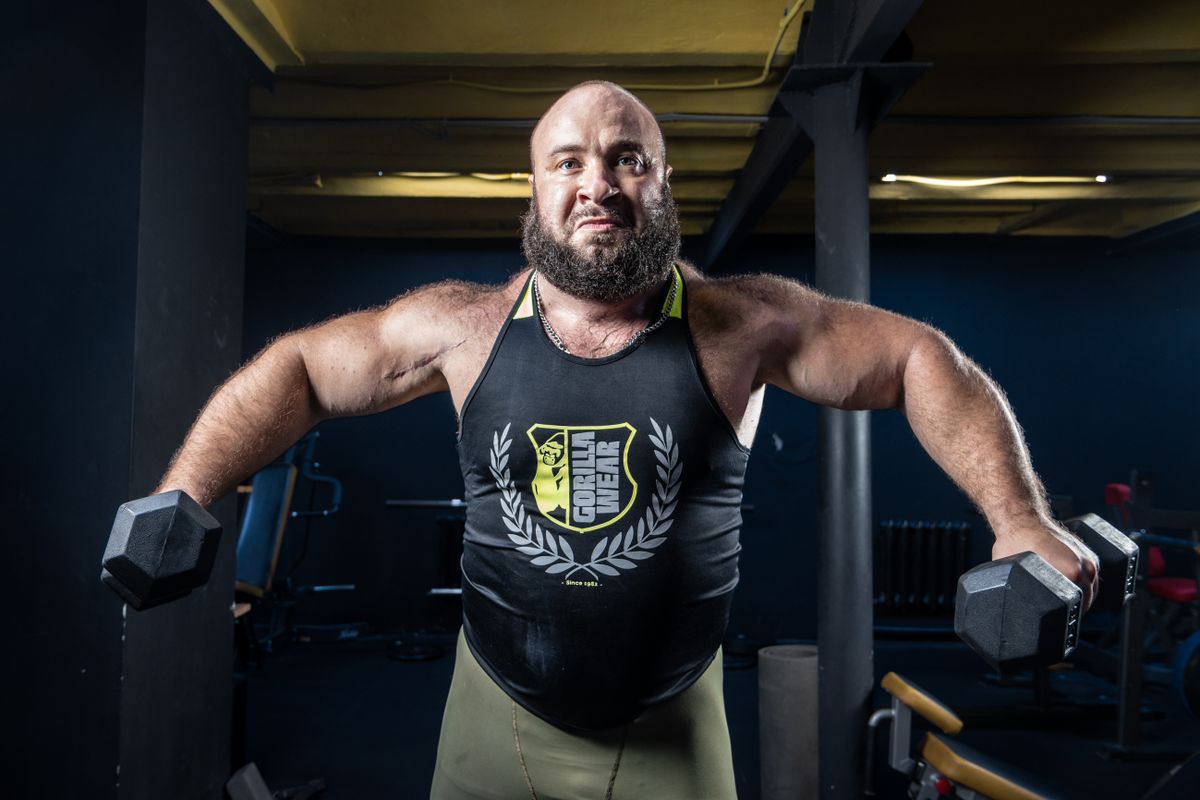
Testosterone Replacement Therapy (TRT) has exploded in the United Kingdom. In 2026, an estimated 1 in 5 British men over 40 report clinically low testosterone — and a growing number are taking matters into their own hands. Whether you are exploring TRT for quality of life, muscle retention or energy, this guide covers everything you need to know.

What Is TRT?
Testosterone Replacement Therapy is the medical use of exogenous testosterone to restore levels to a healthy physiological range. It is prescribed for hypogonadism — a condition where the body produces insufficient testosterone — but in 2026 it is increasingly used by men who fall in the “suboptimal” range (300–450 ng/dL) and experience symptoms such as:
- Chronic fatigue and low energy
- Loss of muscle mass and increased body fat
- Reduced libido and sexual dysfunction
- Brain fog, poor concentration and low mood
- Poor sleep quality
Why TRT Is Booming in the UK in 2026
- Awareness: Social media, podcasts and YouTube have dramatically raised awareness of low testosterone symptoms among men aged 30–55.
- NHS waiting times: Long waits for endocrinology appointments push many men towards private clinics or self-managed protocols.
- Cost of private clinics: UK TRT clinics charge £150–£300 per month. Many men opt to source testosterone independently at a fraction of the cost.
- Longevity culture: The growing interest in biohacking and longevity has positioned optimised testosterone as a cornerstone of healthy ageing for men.
TRT vs Steroid Cycles: Key Differences
| TRT | Steroid Cycle | |
|---|---|---|
| Purpose | Restore normal levels | Supraphysiological gains |
| Dose (testosterone) | 100–200 mg/week | 300–1000+ mg/week |
| Duration | Ongoing / lifelong | 8–16 weeks, then PCT |
| Additional compounds | Rarely | Often stacked |
| Side effect profile | Low at therapeutic doses | Higher at supraphysiological doses |
Most Common TRT Compounds Available in the UK
Testosterone Enanthate
The most popular choice for TRT in the UK. Testosterone Enanthate has a long half-life (~5 days), meaning injections once or twice per week maintain stable blood levels. Standard TRT dose: 100–150 mg per week.
Testosterone Cypionate
Virtually identical to Enanthate in practice. Slightly longer half-life (~7 days). Extremely popular in North America; widely available in the UK. Standard TRT dose: 100–200 mg per week.
Testosterone Propionate
Short-acting ester requiring injections every other day (EOD). Less convenient for TRT but preferred by those who want finer hormonal control or who experience side effects with longer esters.
Sustanon 250
A blend of four testosterone esters. Historically prescribed by the NHS. Creates a rapid initial peak followed by a sustained release. Some users experience fluctuating hormone levels between injections, making twice-weekly dosing preferable.
Essential Bloodwork Before Starting TRT
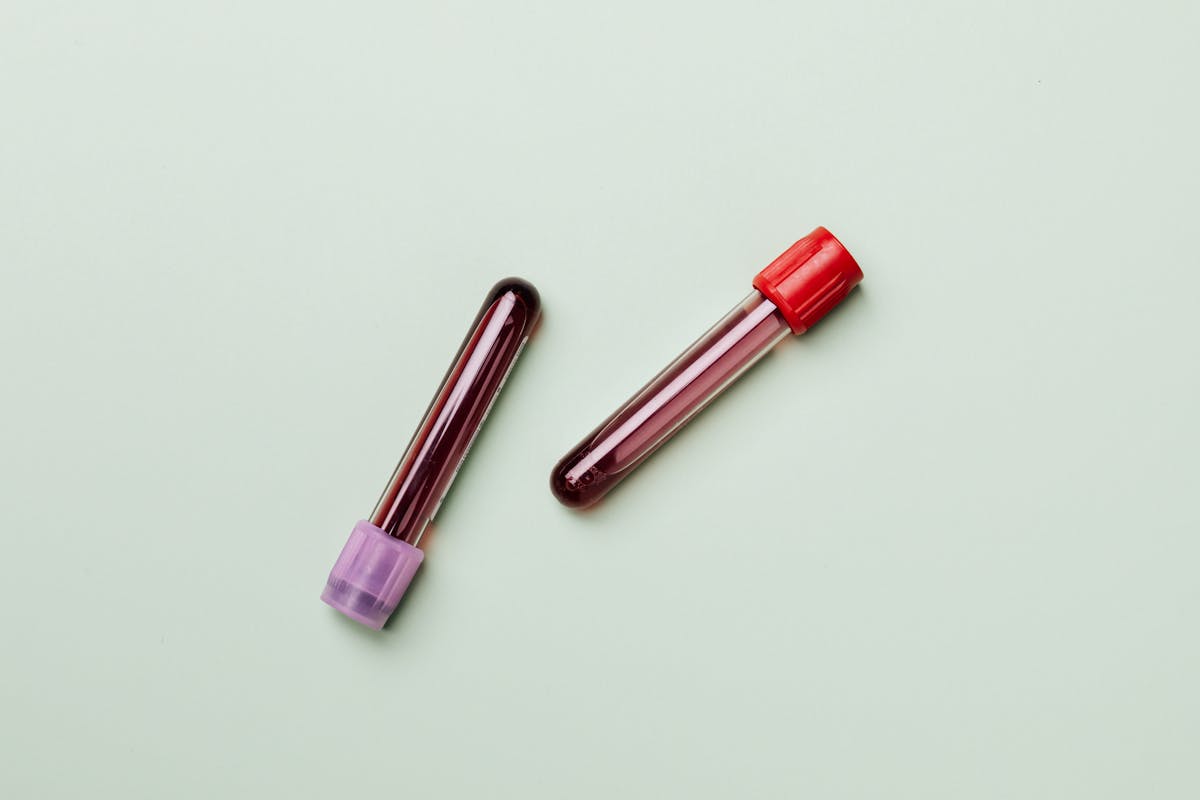
Never begin TRT without a baseline blood panel. At minimum, test:
- Total Testosterone — your baseline level
- Free Testosterone — the bioavailable fraction that matters most
- LH and FSH — determine if low T is primary or secondary hypogonadism
- Oestradiol (E2) — critical for managing aromatisation
- Haematocrit / Haemoglobin — testosterone increases red blood cell production
- PSA — prostate-specific antigen, especially for men over 40
- Liver panel (ALT/AST) — baseline liver health
- Lipid panel — testosterone affects cholesterol
Private blood testing in the UK costs £50–£120 via services such as Medichecks or Monitor My Health.
Managing Oestrogen on TRT
Testosterone aromatises into oestradiol (E2). On TRT doses, many men do not need an aromatase inhibitor (AI) — and over-suppressing oestrogen causes its own problems including joint pain, low libido and poor mood.
However, if oestradiol climbs above 150–180 pmol/L and you experience symptoms (water retention, sensitive nipples, emotional volatility), a low-dose AI such as Anastrozole (0.25–0.5 mg twice weekly) is commonly used.
TRT and Fertility
TRT suppresses the body’s natural testosterone production and — critically — sperm production. If you plan to have children, discuss fertility-preserving options with a doctor. HCG (Human Chorionic Gonadotropin) at 500 IU twice weekly alongside TRT can maintain testicular function and fertility in most men.
Sample TRT Protocol (Beginner, UK 2026)
- Compound: Testosterone Enanthate or Cypionate
- Dose: 125 mg per week (split into two injections of 62.5 mg — Monday and Thursday)
- Injection method: Subcutaneous (subQ) into the abdomen or thigh — increasingly preferred over intramuscular for TRT doses
- AI: Only if oestradiol symptoms emerge — start with 0.25 mg Anastrozole twice weekly
- Bloodwork: 6–8 weeks after starting, then every 3–6 months
Frequently Asked Questions
Will TRT make me look like a bodybuilder?
No. TRT doses restore testosterone to a normal physiological range. You will likely see improved body composition — more muscle, less fat — but not the dramatic transformation associated with supraphysiological steroid cycles.
Can I get TRT on the NHS?
Yes, but criteria are strict (typically total testosterone below 12 nmol/L with symptoms) and waiting times can exceed 6–12 months for an endocrinology referral. Most men in the UK pursuing TRT in 2026 do so privately.
How long until I feel results?
Energy and mood improvements are often felt within 2–4 weeks. Body composition changes (muscle gain, fat loss) become noticeable after 3–6 months of consistent TRT.
Conclusion
TRT is no longer a fringe topic — it is a mainstream conversation among British men in 2026. Whether you are 35 and feeling the early signs of hormonal decline, or 55 and looking to reclaim your vitality, understanding your options is the first step. Always begin with bloodwork, start conservatively, and monitor your health markers regularly.
At anabol.monster, we stock a full range of pharmaceutical-grade testosterone compounds for UK delivery — including Testosterone Enanthate, Cypionate, Propionate and Sustanon 250 from trusted manufacturers including Alpha Pharma, Dragon Pharma and Maxtreme.